
Expansion of Laneway Homes in Vancouver
Household acceptance and builders’ choices
Last modified:
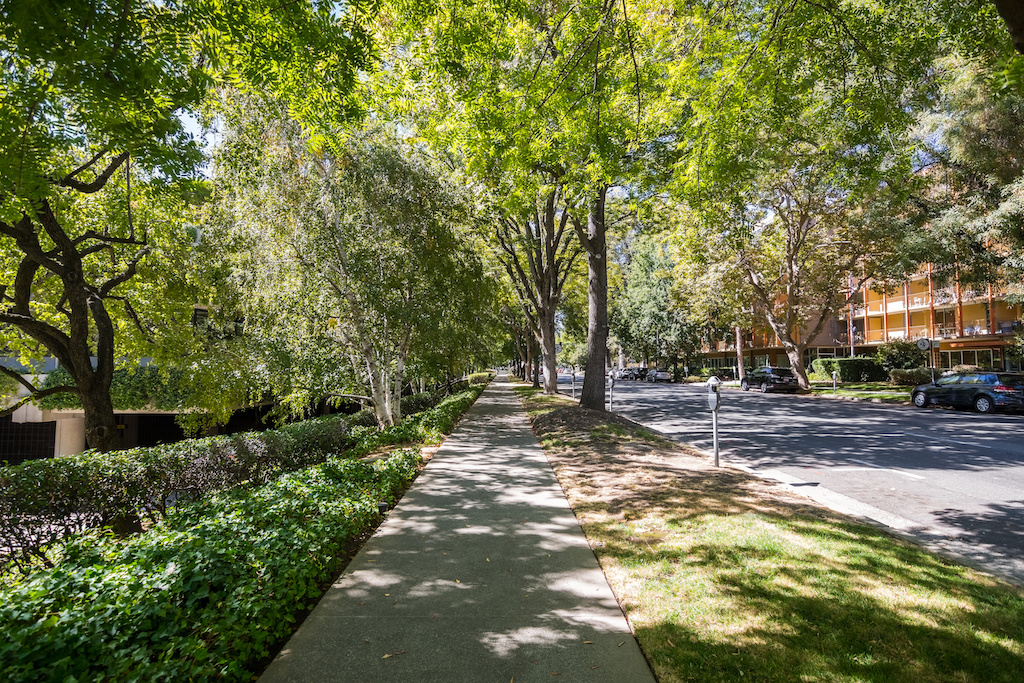
This project examined the expansion of laneway homes in Vancouver, focusing on household acceptance and builders’ choices, and how these factors shape the distribution of this ‘missing middle’ housing form.
Jump to Research OutputsDo some neighbourhoods bear more “missing middle” than others?
This project builds on a prior finding that laneway homes are less common in more expensive neighbourhoods, where they appear to adversely affect neighbouring property values. It analyzes laneway homes as a form of ‘missing middle’ housing that expands rental supply while remaining potentially acceptable to incumbent homeowners, raising questions about spatial equity and uneven take-up across neighbourhoods.
Project Lead(s):
Home Organization:
University of British Columbia
Other Participants:
Tsur Somerville, Andrey Pavlov
Community Partner:
Jake Fry, Smallworks, Bryn Davidson, Lanefab
Funding Stream:
Community-Focused Project
Project Status:
Completed
Background
Laneway homes appeal to policymakers as a form of ‘missing middle’ housing that expands renters’ choices while remaining more tolerable to incumbent owners. Prior research suggests their distribution is shaped by selection effects: laneway homes are more likely in neighbourhoods where neighbours are less resistant, while more expensive neighbourhoods, where laneway homes may negatively affect property values, have seen relatively limited uptake. This project aimed to further investigate the factors influencing laneway home distribution within Vancouver.
Methodology
This project used quantitative analysis of housing and transaction data combined with insights from community partners. First, it analyzed owners’ decisions to add laneway homes to existing and newly built properties, using transaction and building characteristics data to examine patterns of uptake across neighbourhoods. Second, it examined whether laneway home uptake has shifted geographically over time, particularly toward higher-value neighbourhoods, and tested whether the impact on neighbouring property values has changed. Third, it analyzed builders’ decision-making, including whether speculative builders are more likely to add laneway homes only where they command a price premium, compared to custom-built homes or additions driven by homeowner preferences.
Results
This project produced a podcast episode and a journal article on the expansion of laneway homes in Vancouver. It finds that laneway homes, as a form of gentle densification, generate negative spillover effects on neighbouring property values, concentrated in higher-valued neighbourhoods and negligible for median- and lower-valued homes. These findings demonstrate that the costs and benefits of increased housing density vary across neighbourhood types, helping to explain why laneway home uptake is uneven across Vancouver and carrying important implications for housing policy and zoning reform.
Research Outputs
Existing reports, presentation materials, podcasts, webinar recordings, and research summaries.
-
Episode 3: Fixing the Housing Market
Podcast
Learn moreWhat can AirBnb and short-term rentals teach us about shaping the housing market and improving affordability?
-
Journal of Urban Economics
Journal Article
Learn moreThe final output of the study: “Not in my neighbour’s back yard? Laneway homes and neighbours’ property values” published in the Journal of Urban Economics.
Alert the presses!
This project hasn’t hit the news yet.